Going through menopause for some women can be a breeze. But, for the rest of us when our hormone levels are dropping, we can get symptoms. A deficiency of one hormone can trigger a relative excess of another and result in common imbalances such as:
Estrogen dominance or low progesterone can result in mood swings, migraines, fat gain in hips and thighs. Low estrogen or fluctuations of estrogen
t can trigger hot flashes, night sweats, palpitations, foggy thinking, memory lapse & vaginal dryness. Low testosterone or DHEA may lead to decreases in bone or muscle mass, metabolism, energy, strength, stamina, exercise tolerance & libido.
High cortisol (produced by the adrenals as a reaction to stressors which could include hormone imbalance) results in insomnia, anxiety, sugar cravings, feeling tired but wired and increased belly fat, whereas low cortisol causes chronic fatigue, low energy, food and sugar cravings, poor exercise tolerance or recovery & low immune reserves.
Changes in estrogen and progesterone levels can impact neurotransmitter levels. For instance, a drop in estrogen can result in a drop in serotonin which is you feel good neurotransmitter resulting in more depression or feeling of anxiety. Changes in estrogen levels can also lead to thyroid symptoms like slowed metabolism and always feeling cold. In fact, many women experiencing menopause will be diagnosed with hypothyroidism.
A simple saliva test can determine your levels and a good naturopath can suggest supplements that may alleviate those conditions. You can also take velvet antler which is the tonic used in Asia for menopause that helps correct hormone imbalances. See the website www.4EasyMenopause.com

 It’s a symptom of old age! How many times have we heard that said when we develop aches and pains. Old age isn’t what it used to be – people are living longer and staying active into their eighties or beyond. If you want to be one of those healthy individuals you must read this book.
 According to the American Cancer Society 18% of cancers are caused by infection, 23% caused by obesity, 41% environmental and only 5% because of genetics. So if our lifestyles can create the environment inside our bodies to make a happy home for cancer what can we do about it?


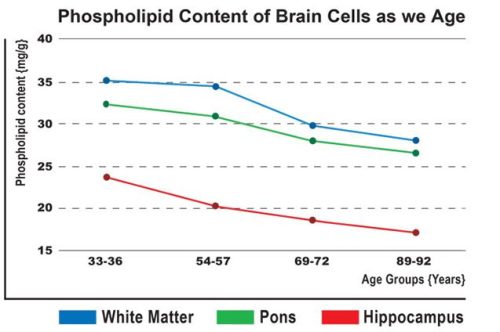 Most of our readers know that free-radicals can create a doom and gloom scenario in our body. Whether they are created from junk food, sugar, stress or chemicals they munch away at our cell membranes and eventually our bodies cease to function properly and we get old.

 Cataracts are the leading cause of blindness, accounting for about 42 percent of all cases of blindness worldwide affecting about 17 million people. Twenty-eight thousand new cases are reported everyday. About 20 percent of all people over 60 have at least the beginning of a cataract in one or both eyes, and that figure rises to 80 percent for people over 75. If you want to keep your active lifestyle after 75 without becoming one of those statistics watch our free webinar!
 There are many causes for our loss of libido or sex drive and some are linked to prescription medications. The antidepressants Prozac, Zoloft, and other selective serotonin reuptake inhibitors (SSRIs) improve mood by raising serotonin, but the downside is that they can also lower libido, says Irwin Goldstein, MD, director of sexual medicine at Alvarado Hospital in San Diego. Beta blockers used for heart problems can also reduce desire. Elavil used to treat shingles can reduce libido as can oral contraceptives. Proscar used to treat enlarged prostate has an active ingredient called finasteride. It is also found in a drug called Propecia which is used to mitigate hair loss in men. Finasteride prevents testosterone from converting into its active form and lower testosterone can lead to lower libido. Antihistamines used for allergies can also lower libido while you are using the drug. Vicodin, OxyContin, and Percocet, used for pain management also have loss of libido as a side-effect. Read the side effects of all prescriptions and ask your doctor or naturopath if there is a safer alternative. Medical Marijuana can also contribute to loss of libido and erectile dysfunction.
 Invaders in your body, especially during the spring when everything starts to bloom are not fun. As the immune system produces antibodies and the special white blood cell spring into action they can create inflammation and typical allergic symptoms of sinus problems, coughing, runny noses and people not being happy to have allergies.
 Research published in the Journal of British Dermatology reveals a study that showed the sap from milkweed cures non-melanoma skin cancers! The plant substance is effective because of ingenol mebutate, a compound in it that seems to destroy cancer cells. Australian scientists from many medical institutions in Brisbane tested the milkweed sap on humans and found remarkable results. The studies showed a 75% cure rate with no visible scarring.





 Anti-Aging Lady